Open 24/7, Monday to Sunday | Serving Cincinnati since 2017(513) 776-3529
Celeste Dumpster RentalDumpster Rental Cincinnati, OH
Dumpster Rental Cincinnati, OH

Local debris service

Dumpster Rental Cincinnati, OH

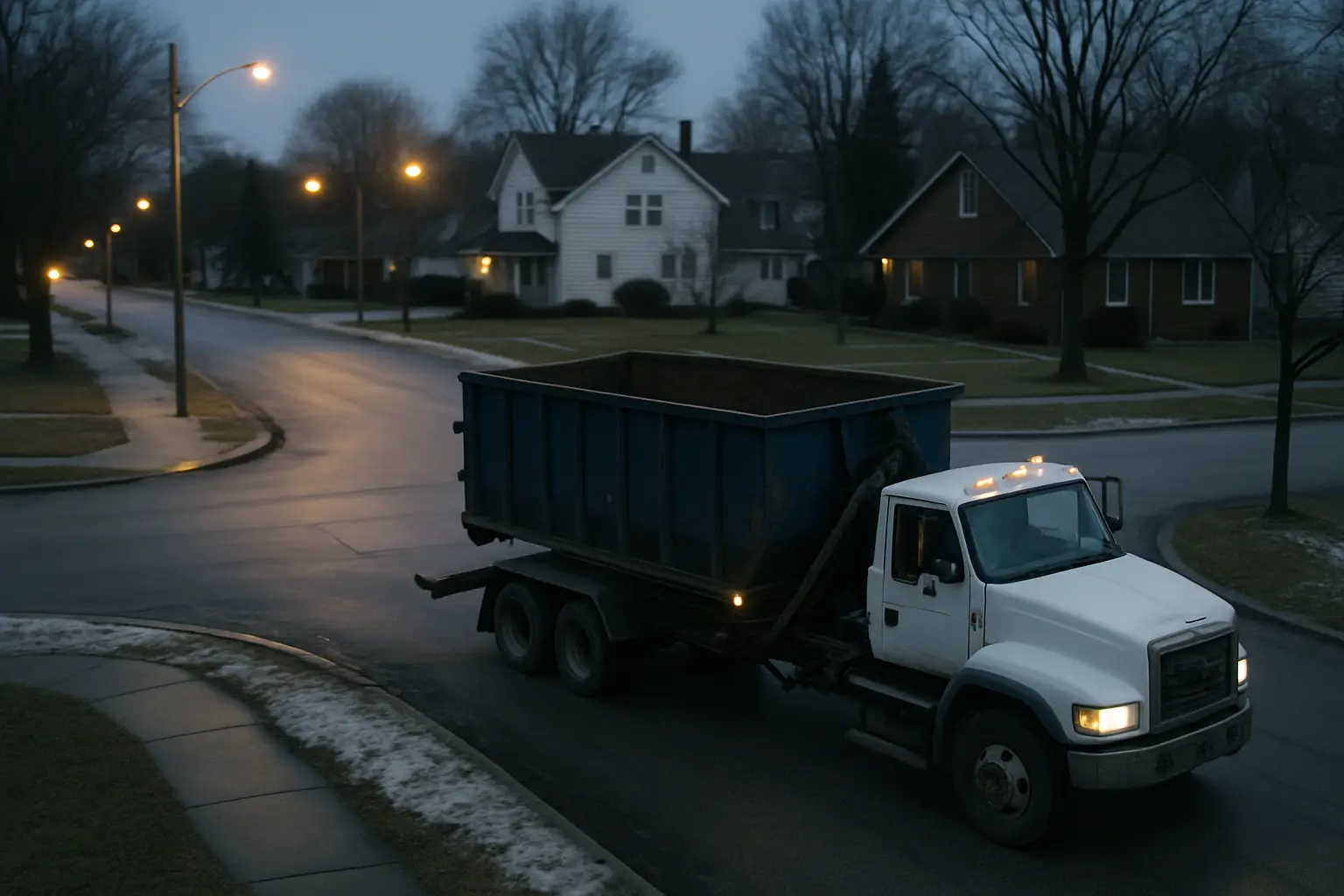
Celeste Dumpster Rental confirms placement details and pickup windows, with photo records that show where the container sits.

Dumpster Rental Cincinnati, OH gives homeowners, contractors, landlords, and businesses a practical way to control debris. Celeste Dumpster Rental helps choose the container, checks access before delivery, and coordinates removal around the work instead of guessing from a vague description.

  • Licensed, bonded and insured
  • Serving since 2017
  • 4175+ containers delivered
  • Open 24/7, Monday to Sunday
  • Serving Hamilton County

Project-specific containers

Cincinnati dumpsters for work of every size

The best container is the one that matches the material, not simply the biggest unit available. These common job types help identify what should be discussed before delivery.

  • House Cleanout Dumpsters

    A house cleanout may include furniture, boxed belongings, carpet, shelving, and mixed household debris. Estimate the contents room by room, then describe stairs, narrow drives, and the intended loading area. A container with usable clearance keeps the crew from creating extra piles that later need handling.

    Household clearing
  • Basement and Garage Cleanouts

    Basements and garages often hold dense, awkward material that takes longer to load than expected. Tell us about appliances, workbenches, shelving, and concrete or masonry. Cincinnati properties with basement steps or shared alleys need placement planned around carrying distance and truck access.

    Dense debris
  • Roofing Dumpsters

    Roofing debris is heavy, especially when shingles, underlayment, and damaged decking are loaded together. Keep the container near the work without blocking ladders or staging areas. Describe the roof size, driveway surface, and whether tear-off material will be loaded directly or carried down.

    Roof replacement
  • Remodeling Debris Dumpsters

    Kitchen, bath, and flooring renovations produce mixed material, including cabinets, tile, drywall, lumber, and packaging. Separate anything restricted before loading and avoid burying heavy masonry beneath light debris. The container size should reflect both the amount and the weight of the removed material.

    Renovation waste
  • Yard Waste Dumpsters

    Brush, branches, storm cleanup, fencing, and landscaping debris can fill a container quickly when loosely loaded. Cut long pieces to manageable lengths and disclose soil, sod, concrete, or treated material. Wet spring conditions can make yard debris heavier, so weight matters as much as volume.

    Outdoor cleanup
  • Moving and Estate Cleanouts

    Moving and estate work usually combines furniture, clothing, boxes, broken fixtures, and household contents. Start with the rooms that are being emptied and note unusually heavy items. Shared drives, curb placement, and access through older Cincinnati blocks should be discussed before the delivery location is confirmed.

    Transition cleanup
  • Same-Day Dumpster Delivery

    Some projects need a container arranged for the day work begins, but availability depends on equipment, route planning, material, and safe placement. Give the address and access details early. A realistic discussion is better than promising a delivery that cannot be safely completed.

    Urgent scheduling
  • Commercial Construction Dumpsters

    Commercial sites need more than volume. Consider active traffic lanes, delivery gates, overhead clearance, loading equipment, and whether the container must be exchanged during the job. Share the site plan and debris materials so placement and pickup coordination do not interfere with workers or customers.

    Construction sites
  • Recurring Business Waste Containers

    Businesses with ongoing renovation, tenant turnover, or regular debris need a repeatable service plan. Discuss the material stream, container location, access hours, and pickup pattern. A scheduled approach can work better than ordering a new unit for every small phase of continuing work.

    Ongoing projects

Local operating knowledge

Cincinnati cleanup work needs practical planning

Celeste Dumpster Rental serves Cincinnati properties where the same container can face very different access problems. A narrow driveway in an older neighborhood, a sloped approach near the hills, and a newer suburban lot each require a different placement conversation. The crew considers overhead branches, utility lines, turning room, pavement condition, and the route a truck must take before confirming delivery. That prevents a container from arriving where it cannot be safely placed or removed. Licensed, bonded and insured, the company has served the area since 2017 and handles residential, commercial, renovation, roofing, and moving debris with straightforward guidance.

A dumpster is not automatically the cheapest answer for every cleanup. A smaller container may fit a partial remodel, while a larger unit can reduce extra handling when a full garage, roofing job, or demolition is involved. Celeste Dumpster Rental explains loading limits, prohibited materials, access requirements, and pickup coordination before the truck is dispatched. The service is available 24/7, Monday to Sunday, so a project discussion does not have to wait for a weekday. Have the property address, approximate debris type, placement area, and preferred timing ready for the call.

Reasons customers plan ahead

The details matter more than a sales pitch

  1. Placement is treated as part of the job

    A container that fits the debris but blocks a garage, scrapes a driveway, or sits beneath a low branch is not a good placement. The crew reviews the approach, surface, slope, and clearance before dispatch. That matters across Cincinnati, where older streets, shared driveways, hills, and tight lots can leave little room for correction once the truck arrives.

  2. Material changes the recommendation

    Drywall, cardboard, and household contents take space, while shingles, tile, concrete, soil, and masonry add weight quickly. Celeste Dumpster Rental asks what is actually being removed instead of sizing from the project label alone. That may lead to a smaller container for a limited cleanup or a larger one when extra handling would be more expensive.

  3. The record helps avoid confusion

    Photo-confirmed placement and pickup coordination give the customer a clear record of what was arranged. The practical value is simple: the intended location, access conditions, and removal plan are discussed before the truck moves. If conditions change, that information gives the crew something specific to review rather than relying on an unclear verbal assumption.

How scheduling works

A clear plan keeps the truck and crew moving

  1. Describe the project

    Start with the work being done, the materials coming out, and the approximate amount. Mention roofing, concrete, soil, appliances, or demolition debris because weight and disposal requirements can change the suitable container. Photos or a detailed property description can make the planning conversation more useful.

  2. Review the placement

    The crew needs to know where the container will sit and how the truck will approach it. Discuss driveway width, slope, overhead limbs, utility lines, gates, alleys, and street placement. Public streets may require local permission, so raise that issue before scheduling delivery.

  3. Select a workable size

    Size is based on volume and weight together. A light household cleanout may fit a smaller unit, while roofing, masonry, soil, and demolition material can reach weight limits sooner. If the job is uncertain, explain the stages so the recommendation reflects how loading will actually happen.

  4. Prepare the site

    Clear vehicles, toys, branches, low wires, and anything blocking the planned position. Protect surfaces when appropriate and keep the approach open for the truck. Do not load prohibited materials or allow debris to rise above the container walls, since unsafe loading can affect transport.

  5. Coordinate removal

    Pickup planning should account for the work schedule, container access, and any remaining material. Keep the approach clear until the unit leaves, and mention changes before the truck is routed. Celeste Dumpster Rental documents placement and coordinates the pickup window so the job has a clear next step.

Related cleanup options

Some Cincinnati jobs need a different service

Placement planning

Where a Cincinnati container can safely sit

On a Cincinnati property, the safest location is usually a firm, level area with a direct truck approach and enough clearance to set down and retrieve the container. A driveway may work when its width, slope, surface, and overhead clearance are suitable. Older neighborhoods can present narrow streets, parked cars, retaining walls, mature trees, and shared alleys that limit the truck’s angle. Hills around places such as Mount Auburn, Clifton, and Price Hill can affect how equipment is positioned. A public street is not automatically available for placement. It may require local permission, and the customer should describe the exact location before delivery is arranged. The crew also needs to know about gates, low wires, branches, soft ground, and any route that requires backing through a tight space.

Before the truck arrives, move vehicles and loose objects away from the planned position. Keep the approach open, unlock gates, trim or move low branches where practical, and tell the crew if another contractor will occupy the driveway. Wet ground after spring rain or summer storms can become unstable, even when the surface looked firm earlier. Freeze and thaw can also leave pavement edges uneven. If the container must sit on a street, ask what permission may apply rather than assuming the truck can place it there. A clear property description makes the placement conversation more accurate, and photographs can help identify obstacles. The goal is not simply to fit the container. It is to leave room for safe delivery, loading, and removal without blocking necessary access.

A level, unobstructed driveway is usually easier for delivery than a narrow public street.

Tell the crew about slopes, overhead lines, branches, gates, and soft ground before scheduling.

Keep vehicles and loose objects away from the planned container position.

Size and weight

Cincinnati homes change the size decision

Cincinnati’s housing stock ranges from older brick homes and compact city lots to postwar houses with garages and newer suburban renovations. That affects both the kind of debris and the path it takes to the container. A basement cleanout may involve stairs, shelving, masonry, and old appliances. A bathroom update can produce tile, fixtures, drywall, and lumber in a surprisingly small work area. Roofing jobs create dense loads that can reach weight limits before the container looks full. Cardboard, carpet, and household contents use space quickly but weigh less. Concrete, soil, brick, plaster, shingles, and tile are different: they should be discussed before choosing a size because a large container does not make heavy material weightless.

The right question is not only how much debris will there be. Consider whether it will be carried from a basement, lowered from a roof, wheeled across a driveway, or loaded from a garage. Older Cincinnati houses may have narrow side access and limited staging space, while larger lots may allow the container to sit closer to the work. Wet weather can add weight to yard debris, and demolition material may be mixed with hidden masonry. A smaller unit can be the sensible choice for a light, contained project. A larger unit may reduce handling for a full renovation, but only when the material is suitable and weight remains manageable. Describe the debris honestly before the recommendation is made.

Dense materials can reach weight limits before a container appears full from the outside.

Basements, narrow side yards, and stairs increase the effort needed to load household debris.

Choose size from both material volume and material weight, not volume alone.

Worksite standards

Every delivery starts with basic safety checks

  • Access must remain clear enough for the delivery truck to approach and leave safely.
  • Driveways should be free of vehicles, branches, loose materials, and other obstacles.
  • Customers should disclose overhead wires, low limbs, gates, slopes, and shared access routes.
  • Heavy materials need discussion before loading because volume alone does not determine suitability.
  • Street placement may require town permission, so confirm the location before delivery is scheduled.
  • Debris should stay below the container walls and remain distributed rather than piled dangerously.
  • Restricted materials must be identified before loading, especially liquids, chemicals, and hazardous products.
  • Pickup access should remain open until the container has been removed from the property.

Dumpster questions

Answers before you schedule delivery

How much does Dumpster Rental Cincinnati, OH cost?

Cost depends on container size, rental duration, debris type, access, placement, and pickup requirements. Roofing, concrete, soil, and other dense materials may affect the recommendation differently from cardboard or household contents. Cincinnati driveways, alleys, and street placement can also change the work involved. Have the address, material list, and placement area ready for an accurate discussion.

What dumpster size do I need for a home renovation?

A bathroom update may need a smaller container, while a whole-room renovation, garage cleanout, or demolition can require more capacity. The correct choice depends on debris volume and weight, not the room name alone. Tile, plaster, brick, and concrete become heavy quickly. Describe each material and the project stage before choosing a size.

Can a dumpster go in my Cincinnati driveway?

A dumpster can often sit in a driveway when the surface, width, slope, overhead clearance, and truck approach are suitable. Older Cincinnati properties may have tight drives, retaining walls, trees, or shared access that require extra planning. Clear vehicles and obstacles, then provide the exact address and placement details so the location can be reviewed.

Can I put a dumpster on the street in Cincinnati?

Street placement may require local permission and is not automatically available at every address. Traffic, parking, road grade, visibility, and the truck’s approach all matter. Tell us the street location before scheduling so the applicable requirements can be discussed. Do not reserve a public space or block travel lanes until placement has been confirmed.

What can I put in a dumpster?

Common renovation, household, roofing, yard, and construction debris may be accepted, but restricted materials must be identified before loading. Liquids, chemicals, hazardous products, and certain special waste require separate guidance. Keep debris below the container walls and distribute heavy material carefully. Prepare a list of unusual items before the call so they can be reviewed.

How quickly can a dumpster be delivered?

Delivery timing depends on equipment availability, route planning, project details, and whether the proposed placement is safe and workable. Same-day delivery may be possible for some jobs, but it should not be promised before the address and access are reviewed. Provide the preferred date, property conditions, and material type early so scheduling can be assessed honestly.

How long can I keep a dumpster?

The rental period depends on the project schedule, container availability, debris type, and pickup coordination. Explain whether the work is a short cleanout, phased remodel, roofing job, or ongoing commercial project. Cincinnati weather can affect outdoor work, so discuss possible schedule changes before the pickup is routed. Keep access clear until removal is complete.

Do I need to be home for dumpster delivery?

You may not need to be home if the placement has been clearly confirmed and the truck can access the agreed location without assistance. Gates, locked areas, shared drives, tight approaches, and changing site conditions may require someone to be available. Remove vehicles and obstacles, and provide access instructions before delivery is scheduled.

Plan the pickup

Bring the useful details to the phone call

Celeste Dumpster Rental can review the project, container size, placement, material limits, and pickup needs before scheduling. Service is available 24/7, Monday to Sunday. A short, specific description helps the crew identify problems early, especially on tight Cincinnati lots, shared drives, steep approaches, or public streets.

Phone

(513) 776-3529

The call covers your debris, property access, placement location, preferred timing, and pickup plan.

Availability

24/7
Monday to Sunday, day and night

Have this ready

  • Property address
  • Debris types
  • Placement area
  • Preferred schedule

Where we work

Cincinnati, plus Covington, Newport, Bellevue, Norwood, St. Bernard, Elmwood Place, Fort Thomas, Cheviot, Reading and Blue Ash.

See the full service area list

Start with the material and the access

Explain what is coming out, where the container should sit, and how the truck will reach it. Celeste Dumpster Rental will help compare the practical options before delivery is arranged.

Click Here to Call(513) 776-3529

Local service area

Dumpster service around Cincinnati

Celeste Dumpster Rental focuses on Cincinnati and nearby communities, including Covington, Newport, Bellevue, Norwood, St. Bernard, Elmwood Place, Fort Thomas, Cheviot, Reading, and Blue Ash. Routes, access, and placement conditions vary by property, so provide the exact address and describe the intended container location before scheduling.

Over-the-RhineMount AuburnCliftonPrice HillWalnut HillsAvondaleHyde ParkCollege Hill

Dumpster Rental in nearby towns

Click Here to Call(513) 776-3529